

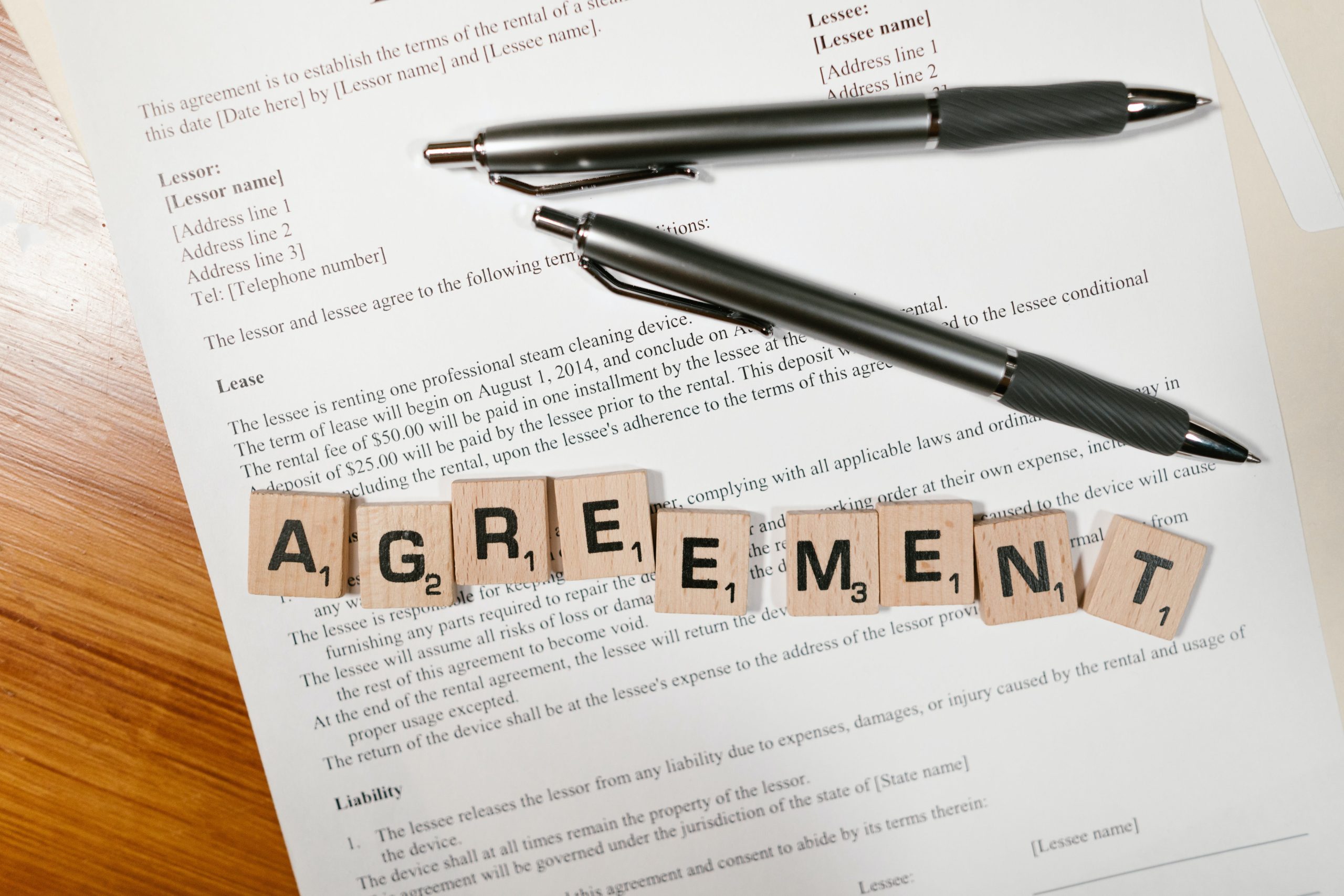
A lease agreement is more than a formality—it’s the foundation of a successful landlord-tenant relationship and one of the most critical tools in any rental property investment. It outlines the rights, responsibilities, and expectations for both parties and acts as a legally binding contract that can prevent or resolve disputes. Yet despite its importance, many landlords unknowingly rely on vague, outdated, or incomplete lease documents.
If you’re tempted to reuse a lease template you found online or borrow a copy from a friend, think again. A generic or poorly drafted lease can expose you to legal trouble, financial loss, and tenant misunderstandings. Here are five common lease agreement mistakes—and how to avoid them.
1. Vague or Incomplete Rent Terms
Simply stating the monthly rent amount isn’t enough. When issues arise—like missed payments or disputes over late fees—clarity in the lease becomes crucial.
What to Include:
-
Due date for rent payments
-
Accepted payment methods (e.g., online portal, mailed checks)
-
Grace periods and late fees
-
Policies for bounced checks
-
How and when rent increases may be implemented
Example: “Rent of $1,800 is due on the 1st of each month via the property’s online payment portal. A $75 late fee will apply if rent is not received by the 5th.”
2. Unclear Maintenance and Repair Responsibilities
Ambiguity about who is responsible for what can lead to neglected repairs or tenant complaints.
Clarify in Your Lease:
-
Which repairs are the landlord’s responsibility (e.g., plumbing, roof)
-
What routine tasks tenants must handle (e.g., replacing light bulbs, changing HVAC filters)
-
How tenants should report maintenance issues
-
Expected timelines for landlord response
Tip: Spell out any service request procedures or emergency contact numbers in the lease appendix.
3. Missing or Unstated Property Rules
Unwritten rules are unenforceable. If you have expectations about behavior, noise, guests, or property use, put them in writing.
Essential Topics to Address:
-
Pet policies (including deposits or breed restrictions)
-
Smoking rules
-
Subletting terms or Airbnb restrictions
-
Guest stay limits
-
Quiet hours
-
Responsibility for lawn care or shared spaces
-
Utility bill responsibilities
Example: “No smoking is permitted inside the unit. Tenants who violate this policy are subject to a $200 cleaning fee.”
4. No Defined Lease Term or Renewal Process
Every lease should clearly state when it begins, when it ends, and how either party can exit or renew the agreement.
What to Include:
-
Specific lease start and end dates
-
Renewal options (automatic month-to-month? Fixed-term renewal?)
-
Notice periods required for non-renewal or termination
-
Procedures for move-out inspections and deposit returns
Warning: Without clear end dates or notice terms, you may unintentionally default to unfavorable month-to-month terms.
5. Failure to Comply with State or Local Laws
Rental laws vary widely by state and city. If your lease violates these laws, it won’t hold up—and could give tenants grounds for legal action.
Stay Compliant By:
-
Including legal notice periods for entry or eviction
-
Avoiding illegal fee structures (e.g., excessive penalties or deposits)
-
Providing required disclosures (e.g., lead paint, mold)
-
Complying with rent control or fair housing laws
-
Consulting with a local real estate attorney for a legal review
Pro Tip: Revisit and update your lease annually to stay current with changing regulations.
Final Thoughts: A Strong Lease is a Smart Investment
A well-drafted lease agreement isn’t just paperwork—it’s your first and best defense against legal disputes, misunderstandings, and financial loss. Investing the time to customize your lease for your property and local laws will pay dividends over the life of your rental.
Whether you’re managing one property or a growing portfolio, never underestimate the value of a clear, compliant, and comprehensive lease agreement. If you’re unsure where to begin, consult a local property manager or real estate attorney to help you draft or update your lease the right way.
About Rentals America
Rentals America provides full-service property management for residential rental properties. Our team is completely dedicated to property management, and we’re here to help landlords navigate the rental market.